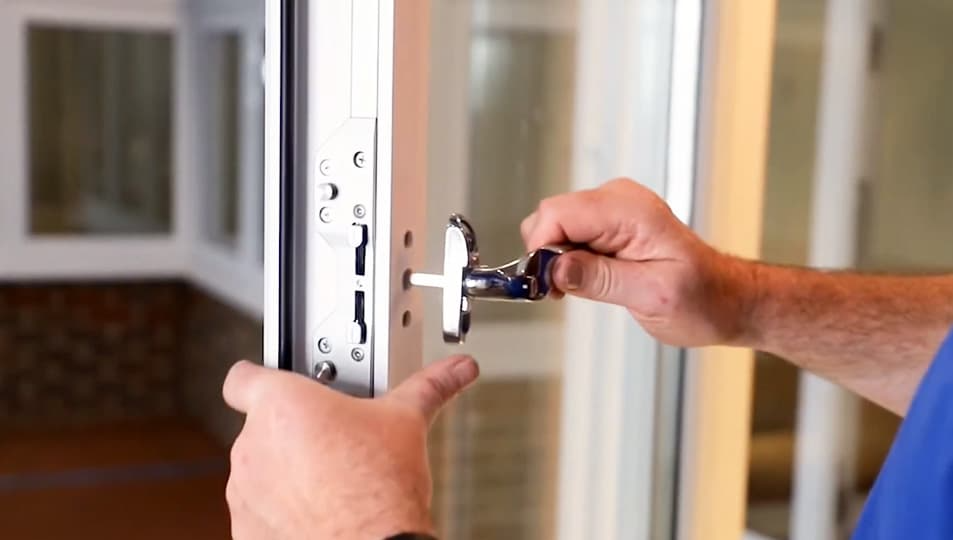
Cheap Lock Repair: Tips and Tricks to Save Money
Locks are a vital part of home security, providing a sense of safety and privacy. Nevertheless, they can malfunction or get harmed over time, necessitating repairs. The expense of lock repair can vary commonly, frequently leading house owners to look for more affordable alternatives. Fortunately, there are numerous methods to attend to lock issues without breaking the bank. This article explores affordable options for lock repair, consisting of DIY techniques, expert services, and preventive steps.
Comprehending Common Lock Issues
Before diving into repair alternatives, it's important to understand the typical problems that locks face. A few of the most regular problems consist of:
- Jammed Locks: Difficulty in turning the key or placing the key into the lock.
- Broken Keys: A crucial breaking off inside the lock.
- Run-down Locks: Locks that have actually been in use for a very long time and no longer operate efficiently.
- Stuck Deadbolts: Deadbolts that won't turn, either from the within or the outside.
- Lost Keys: Keys that are lost or taken, leaving the lock unusable.
Each of these concerns can be addressed with varying degrees of intricacy and expense. Comprehending the problem can help in choosing the most appropriate and budget-friendly option.
DIY Lock Repair
For small lock issues, DIY repairs can be an affordable option. Here are some steps and ideas for tackling typical lock issues:
1. Lubing a Jammed Lock
- Products Needed: Graphite powder, silicone spray, or WD-40.
- Steps:
- Clean the Lock: Use a compressed air can to blow out any dust or debris from the keyhole.
- Apply Lubricant: Insert a percentage of graphite powder or silicone spray into the keyhole. If utilizing WD-40, apply sparingly to avoid gumming up the lock.
- Work the Key: Insert the key and turn it numerous times to distribute the lubricant evenly.
2. Extracting a Broken Key
- Materials Needed: Pliers, a locking pliers (vise grip), or a broken key extractor.
- Steps:
- Prepare the Key: If the key is not too deep, use pliers to attempt and pull it out. For a deeper break, utilize a locking pliers or a damaged essential extractor.
- Apply Pressure: Gently wiggle the key while pulling it upwards. If it's stuck, attempt turning it a little to loosen it before pulling.
- Oil: Once the secret is out, lubricate the lock to ensure smooth operation.
3. Replacing a Worn Out Lock
- Products Needed: Replacement lock, screwdriver, and drill.
- Steps:
- Remove the Old Lock: Use a screwdriver to eliminate the screws holding the lock in location. If the lock is stuck, use a drill to thoroughly eliminate the screws.
- Install the New Lock: Follow the manufacturer's instructions to install the brand-new lock. Make sure that the positioning is proper to prevent additional issues.
- Evaluate the Lock: Insert the secret and test the lock to guarantee it runs efficiently.
4. Repairing a Stuck Deadbolt
- Products Needed: Lubricant, screwdriver, and a flathead tool.
- Steps:
- Check the Alignment: Ensure that the deadbolt is lined up with the strike plate. If it's not, adjust the strike plate or the deadbolt system.
- Lube: Apply lubricant to the deadbolt system and the keyhole.
- Dismantle and Clean: If the issue persists, take apart the deadbolt and tidy any debris from the mechanism. Reassemble and check.
5. Rekeying a Lock
- Materials Needed: Rekeying set, screwdriver, and brand-new secrets.
- Actions:
- Purchase a Rekeying Kit: Obtain a rekeying package from a hardware shop. This package will include new pins and a guide to rekey your lock.
- Take apart the Lock: Remove the screws and take the lock apart.
- Replace the Pins: Follow the set's guidelines to replace the old pins with the brand-new ones.
- Reassemble and Test: Put the lock back together and evaluate it with the new key.
Specialist Lock Repair Services
While DIY services can be reliable for small concerns, more complex issues might require the proficiency of an expert locksmith professional. Here are some ideas to find affordable and reputable lock repair service s:
1. Research Local Locksmiths
- Online Reviews: Check websites like Google, Yelp, and Angie's List for reviews of local locksmith professionals.
- Referrals: Ask friends, household, or next-door neighbors for suggestions.
- Examine Credentials: Ensure the locksmith professional is accredited and insured.
2. Get Multiple Quotes
- Compare Prices: Contact a number of locksmith professionals to get quotes for the very same service.
- Inquire about Fees: Inquire about any additional costs, such as travel or emergency service fee.
3. Consider Maintenance Services
- Annual Tune-Ups: Some locksmiths use yearly maintenance services that can assist prevent future lock concerns.
- Warranty: Check if the locksmith provides a warranty on their repairs.
4. Try to find Discounts and Promotions
- Online Deals: Search for online promotions or discount coupons that can decrease the cost of services.
- Loyalty Programs: Some locksmiths offer commitment programs that offer discounts for repeat customers.
Preventive Measures
Routine maintenance and preventive measures can help extend the life of your locks and reduce the need for expensive repairs. Here are some ideas to keep your locks in great condition:
1. Regular Lubrication
- Frequency: Lubricate your locks every six months.
- Materials: Use graphite powder, silicone spray, or a light machine oil.
2. Avoid Overuse
- Key Wear: Use various keys for various locks to avoid excessive wear on a single key.
- Lock Strain: Avoid utilizing excessive force when turning the lock.
3. Look for Rust
- Inspect Regularly: Check your locks for indications of rust, specifically if they are exposed to the aspects.
- Tidy and Protect: Use a rust cleaner to eliminate any rust and use a rust-resistant finishing.
4. Secure the Strike Plate
- Check Alignment: Ensure that the strike plate is lined up with the lock.
- Tighten Screws: Replace any stripped screws and tighten the existing ones to prevent the lock from ending up being misaligned.
5. Update to High-Quality Locks
- Buy Quality: While premium locks may be more costly initially, they can save you money in the long run by reducing the frequency of repairs.
FAQs
1. How can I inform if my lock is broken?
- Signs: Common signs of a broken lock include problem in turning the key, a key breaking inside the lock, or a stuck deadbolt. If the lock feels stiff or the secret doesn't fit, it may be broken.
2. Is it safe to utilize WD-40 on a lock?
- Care: While WD-40 can be used in a pinch, it's not the finest choice for long-term lubrication. It can draw in dust and gunk, which can gum up the lock. Choose graphite powder or silicone spray for much better outcomes.
3. Can I rekey a lock myself?
- Do it yourself Option: Yes, you can rekey a lock yourself with a rekeying set and some basic tools. However, if you're not comfy with the procedure, it's best to consult a professional.
4. Just how much does professional lock repair cost?
- Variability: The expense of professional lock repair can differ depending upon the complexity of the problem and the locksmith professional's rates. Easy repairs might cost around ₤ 50, while more complex concerns could vary from ₤ 100 to ₤ 200.
5. What should I do if I lose my secrets?
- Immediate Steps: If you lose your secrets, change the locks as quickly as possible to guarantee your home's security. You can likewise get in touch with a locksmith professional to make a new secret if you have a spare.
6. How can I prevent my lock from jamming?
- Routine Maintenance: Keep your locks well-lubricated and complimentary from debris. Avoid using excessive force when turning the key, and look for any signs of wear or rust.
Lock repair doesn't have to be an expensive venture. By understanding typical lock issues and taking a proactive method, homeowners can save money and preserve the security of their residential or commercial property. Whether through DIY approaches, expert services, or preventive upkeep, there are several economical options to keep your locks in leading condition. Keep in mind, a little financial investment in regular upkeep can go a long method in avoiding more expensive repairs down the line.
By following these ideas and tricks, you can ensure that your locks stay reputable and safe without draining your wallet. Whether you pick to deal with the problem yourself or employ a professional, the key is to act quickly and avoid minor problems from turning into significant headaches.